Several weeks before the riots were even rumbling there was a hubbub all over my internet streams about the joys, and more noticeably ills, of social media.
Bad for breakfast
The first place I came across these concerns was on BBC Breakfast, they were discussing the impact of smart phones on family meal times. An academic report had noted a correlation between words spoken between family members at the dinner table and the number of smart devices present. The argument being made was that smart devices are detrimental to conversation and relationships between the family members who are so engrossed ‘LOL’ing at someone else’s video.
I am lucky enough to live in a family none of whom own a smart phone or tablet device; but I have had conversations with people who do own this equipment, and they have spoken of the need to ban the devices from the dinner table and the bedroom. The influence of these devices are so often associated with a rhetoric of corrosion; but what is it about these devices that makes them so potently destructive as opposed to, a newspaper or any other older technology? Surely the problem of families failing to engage with one another is deeper than the technology they bring to the table (which I agree might (or may not) reflect their commitment to developing these nuclear family relationships)? The questions concern time, commitment, and ways of expressing love for other people as much as the technology in use; that allows people to be ‘elsewhere’ whilst being ‘here’ with us.
I check my private messages at lunch, I've no time to eat!
Following the release of what I presume was some form of government/ thinktank report there was a huge spate of blogs and facebook posts on the subject of digital communications and the ways in which they might damage both our individual and collective identities. I have seen social media blamed for a self-obsessed generation; allegedly pretentious enough to believe that other people will find what they have to say interesting enough to read (http://phil-blogs.blogspot.com/2009/06/facebook-is.html). The self-esteems of a nation misplaced in the number of wallposts achieved or how many people ‘like’d a profile picture.
On occasion these sites are linked to other perceived evils, tweeting to our ‘culture’ of self-aggrandisement; private messaging to the growth of illicit or ‘immoral’ activity. But again I make the point that the blame is misplaced. Sure, the technology is successful because people demand it and it may make evil easier to carry out, but for millennia people have found ways to feel insecure and to have illicit liaisons, without the internet. And whilst digital media might have provided the language with which we talk about these things; relationships being ‘facebook official’ as code for legitimate; saying ‘LOL’ instead of actually laughing, the insecurity, the grandstanding and the independent journalism also happens outside of the internet. So which came first? Its a bit of a chicken and egg situation.
Rioting Raspberries
One of the most frequently discussed things this week both in my real world and in my ‘internet community’ is the link between the recent riots in London and use of the Blackberry smartphone, used for its untraceability. Its funny how law and morality step in and make some hacking decidedly unethical (News of the World anyone?) and other hacking as legitimate...
I’m going to sit and ponder that for a bit...
Anyway, there has been plenty of discussion about how evil digital technology must be because of its usage in terrorism and rioting. Again I don’t think the technology is the problem, if you have a problem with its usage then you must address the ideas and the people behind the usage, merely restricting access to the technology will not help.
I agree that digital technology can be used to facilitate ‘bad’ things; but so can paper and pen, leaving a voicemail (that you regret in the morning) or meeting up for coffee with someone (who may, or may not be as trustworthy as you thought). None of these things are intrinsically bad, in fact they can be used to great ends; to maintain relationships over long distances, to introduce two of your friends who could be great business partners/ spouses/ just friends, to let the important people know that you love them. And the same is true for social digital media; its just a new medium for human interaction.
And now you’ve massaged my ego by reading my self-aggrandised drivel, I can happily take a few weeks off, basking in my own reflected glory and some Somerset/Scottish sunshine. See you all in a few weeks.
Tuesday, 16 August 2011

Thursday, 11 August 2011
'Time Passes' part II
And so I find myself yet again apologising for the tardiness of this blog. I have a great excuse though! I’ve been doing lots of other writing and thinking this week and even designing this cute little venn diagram! But I haven’t forgotten to think about time.
Flying high
Last weekend I had the pleasure of going on a flight in a little aeroplane big enough for just four including the pilot. We flew a round trip to the south coast; right over the cliffs of Dover, Canterbury Cathedral and Dover Castle. Flying over our little town, the Thames Estuary and all of Kent, in a matter of minutes, provided me with quite a different perspective on life. It got me thinking about how reliant we are on our pyschogeography in our everyday life.

I took my digital camera on the flight and even ten years ago my photographs of England from the air would have impressed people. It is not every day you get to see England so well from above! But with the rise of digital technologies anyone can look on google maps at what England looks like from the air. So although for me this photograph of Canterbury will forever be special; to the rest of you time and technology has probably robbed you of its specialness. So, instead of trying to capture once in a lifetime shots of the county from above, I took other ‘arty’ photos expressing something a little more abstract.

One Bright Spot
The Kursaal of Southend on Sea is the subject of my dissertation. It used to be called ‘One Bright Spot’ although it had lots of illuminations it was also a beacon of fun for the working classes with a large amusement park. There were loads of rides and side shows to experience and people from Essex and London would take a day-trip to the seaside. Many of the people I’ve interviewed for my work have spoken about the attachment they have to the 'bright spot', romantic nights at the ballroom or the Tunnel of Love. This got me thinking about how the ‘Kursaal’ space has changed function over time; from field to trotting park, amusement park to housing estate. Although with the passing years people no longer dance at the ballroom (it was demolished and sold, much to the chagrin of Southend’s over 70s); it is still an important place to the local community because of what it represents.
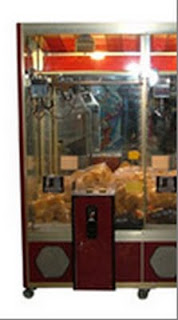
There have been other elements of Southend culture that time has been unable to steal. People still visit Southend for the amusement park, its just on the other side of the road; and the 1930’s arcades have been replaced by illuminated ‘grabber’ games. East Londoners might do different things in Southend, but the majority of our visitors are still East Londoners down for a day at the seaside. All is not lost; ice cream and spades still sell!

‘I’m fine! I’m fine!’
Was what I said when I came round from a faint at a BBQ recently. After that I was rushed to A & E and spent the evening lying on a bed in the department, I'm fine by the way. I was helpfully positioned in front of the staff desk so I could watch all the comings and goings. Hospital departments can be quite interesting to watch when you aren’t on death’s door or worrying about someone. When I first came round in the house I moved from one room to a stairwell, through another room and I actually don’t remember it. My brain has failed to store that memory. Although in the main I’m not bothered ; a part of me wonders where those few minutes went, who stole my time and what they did with it (and me!) in the meantime?
I predict a riot!
I couldn’t write a blog post this week without passing comment on the recent riots this week. I’ve enjoyed reading the vast amount of e-comment on the subject and the growing number of acceptable reactions. When I first heard about the riots it reminded me of the work I did on the Miners’ Strike of the 1980’s; of the multi-vocality of the time and what happens when you put cuts on public spending. When I did my research on the Miner’s Strike I had the benefit of hindsight to see the build-up, the strikes and the aftermath, including the effect ten years on. I’ll have still made a partisan judgement but it will at least be a little detached. What is so interesting about the riot reportage today is the immediacy of the comment; academics are able to publish journal length articles online within hours of incidents taking place. I will watch with interest to see what the generation twenty years behind me makes of all this when they consider it all with ‘academic detachment’.
p.s. I hope you noticed my reference to Under Milk Wood in the title, I'm going on holiday a bit over the next few weeks so expect my blogging to be even more sporadic! And I'll be back soon to talk about digital tech, its pros and cons for life and the universe!
Flying high
Last weekend I had the pleasure of going on a flight in a little aeroplane big enough for just four including the pilot. We flew a round trip to the south coast; right over the cliffs of Dover, Canterbury Cathedral and Dover Castle. Flying over our little town, the Thames Estuary and all of Kent, in a matter of minutes, provided me with quite a different perspective on life. It got me thinking about how reliant we are on our pyschogeography in our everyday life.

Canterbury Cathedral from the plane.
I took my digital camera on the flight and even ten years ago my photographs of England from the air would have impressed people. It is not every day you get to see England so well from above! But with the rise of digital technologies anyone can look on google maps at what England looks like from the air. So although for me this photograph of Canterbury will forever be special; to the rest of you time and technology has probably robbed you of its specialness. So, instead of trying to capture once in a lifetime shots of the county from above, I took other ‘arty’ photos expressing something a little more abstract.

Sunset over the river
One Bright Spot
The Kursaal of Southend on Sea is the subject of my dissertation. It used to be called ‘One Bright Spot’ although it had lots of illuminations it was also a beacon of fun for the working classes with a large amusement park. There were loads of rides and side shows to experience and people from Essex and London would take a day-trip to the seaside. Many of the people I’ve interviewed for my work have spoken about the attachment they have to the 'bright spot', romantic nights at the ballroom or the Tunnel of Love. This got me thinking about how the ‘Kursaal’ space has changed function over time; from field to trotting park, amusement park to housing estate. Although with the passing years people no longer dance at the ballroom (it was demolished and sold, much to the chagrin of Southend’s over 70s); it is still an important place to the local community because of what it represents.
There have been other elements of Southend culture that time has been unable to steal. People still visit Southend for the amusement park, its just on the other side of the road; and the 1930’s arcades have been replaced by illuminated ‘grabber’ games. East Londoners might do different things in Southend, but the majority of our visitors are still East Londoners down for a day at the seaside. All is not lost; ice cream and spades still sell!


Not much changed over 60 years - seaside amusements.
Was what I said when I came round from a faint at a BBQ recently. After that I was rushed to A & E and spent the evening lying on a bed in the department, I'm fine by the way. I was helpfully positioned in front of the staff desk so I could watch all the comings and goings. Hospital departments can be quite interesting to watch when you aren’t on death’s door or worrying about someone. When I first came round in the house I moved from one room to a stairwell, through another room and I actually don’t remember it. My brain has failed to store that memory. Although in the main I’m not bothered ; a part of me wonders where those few minutes went, who stole my time and what they did with it (and me!) in the meantime?
I predict a riot!
I couldn’t write a blog post this week without passing comment on the recent riots this week. I’ve enjoyed reading the vast amount of e-comment on the subject and the growing number of acceptable reactions. When I first heard about the riots it reminded me of the work I did on the Miners’ Strike of the 1980’s; of the multi-vocality of the time and what happens when you put cuts on public spending. When I did my research on the Miner’s Strike I had the benefit of hindsight to see the build-up, the strikes and the aftermath, including the effect ten years on. I’ll have still made a partisan judgement but it will at least be a little detached. What is so interesting about the riot reportage today is the immediacy of the comment; academics are able to publish journal length articles online within hours of incidents taking place. I will watch with interest to see what the generation twenty years behind me makes of all this when they consider it all with ‘academic detachment’.
p.s. I hope you noticed my reference to Under Milk Wood in the title, I'm going on holiday a bit over the next few weeks so expect my blogging to be even more sporadic! And I'll be back soon to talk about digital tech, its pros and cons for life and the universe!
Friday, 5 August 2011
'Time Passes. Listen. Time passes' - part I
This week I’ve been thinking about the passage of time, a small subject for discussion(!). And a little ironic given how late this post is this week.
Baby Love: House Clearance as Heritage
I have been clearing my great uncle’s house with some relatives. He was born in 1920 and lived in a world where sealing wax, the Britannica Encyclopaedia and a record player were everyday items in life. This 1950s kitchen cabinet with inbuilt pastry board represented a thoroughly efficient and necessary part of the kitchen. Even just a few photographs show how life has moved on since he was my age!


The house-clearers represented three generations of family with three different perspectives on what we were doing. For the oldest generation the objects we were sorting did not represent anything exotic or unfamiliar; they were quite everyday and not worth keeping. For the middle generation also, objects were not valuable due to their aesthetic or tangible worth. The objects the middle generation chose to keep were based on intangible, emotional connections bundled up in the physical object - the record he used to play as they danced around the front room (Baby Love), the tea towels from exotic holidays, the hat he always wore. For this generation salvage was communing with (the memories of) their uncle; as was the upkeep of his garden, one of his favourite pastimes.
For the younger generation, at one more remove from 1920, many of the objects seemed exotic by way of their unfamiliarity. The stamp album with the old fashioned spellings and all sorts of kitchen implements which looked almost alien they were so unfamiliar. The distance from the emotional connection for this generation also made room for experimentation. I took the china collection for a friend’s wedding where the cups became one off candle-holders; several other kitchen items went to form the staple objects in my cousin’s new home. The writing desk joined my collection of wooden furniture in my room and now happily holds, amongst other things, a laptop. For this younger generation objects from the house were not viewed as objects for veneration but candidates for reinvention, of use in the future world.
One of the objects that had us all intrigued was my uncle’s wartime diaries. The subject of what he did in the war was always kept hidden; deemed too painful to be on public display and discussed in public. But it transpired that throughout his very busy period of active service he kept diaries; detailing every film he saw, the towns he visited and the situations he found himself in. Some of the entries were funny; ‘Italian dies from drinking antifreeze’, ‘won a cow, milked it’ and others were profound in their simplicity, ‘Our Wedding Day’. The detail provided enough information to trace his steps across Europe and beyond. Something felt a little bit transgressive in reading that which was always deliberately kept hidden; it is morally ambiguous to read the diary of a dead man; akin to clearing out his underwear draw! I still wonder whether it would it have been more honouring to burn them on sight?
I’m not sure, but they made some jolly good yarns and explained why he’d kept a copy of ‘Algiers to Austria’ on his bookshelf.

All of this reminded me of some of the things we’ve been thinking about on the course for my MA. Lowenthal’s attitudes towards the obligations and behaviours of family and legacies; Pearce’s On Collecting; the many philosophical musings on the necessity of treasuring the past for our present mental health. Does collecting/ curating /saving things from the past inhibit our moving on in the future? And how do we keep our memories of our own pasts without the objects? What happens when we run out of space in the (family) archive? What filters can we put on that collecting process? I don’t have that many answers...yet!
In part II I will discuss the impact of time on what is impressive digitally, our own aging and some more insights into my current work. For now, have lovely weekends everybody!
Baby Love: House Clearance as Heritage
I have been clearing my great uncle’s house with some relatives. He was born in 1920 and lived in a world where sealing wax, the Britannica Encyclopaedia and a record player were everyday items in life. This 1950s kitchen cabinet with inbuilt pastry board represented a thoroughly efficient and necessary part of the kitchen. Even just a few photographs show how life has moved on since he was my age!


Text from a really old first aid handbook!
The house-clearers represented three generations of family with three different perspectives on what we were doing. For the oldest generation the objects we were sorting did not represent anything exotic or unfamiliar; they were quite everyday and not worth keeping. For the middle generation also, objects were not valuable due to their aesthetic or tangible worth. The objects the middle generation chose to keep were based on intangible, emotional connections bundled up in the physical object - the record he used to play as they danced around the front room (Baby Love), the tea towels from exotic holidays, the hat he always wore. For this generation salvage was communing with (the memories of) their uncle; as was the upkeep of his garden, one of his favourite pastimes.
For the younger generation, at one more remove from 1920, many of the objects seemed exotic by way of their unfamiliarity. The stamp album with the old fashioned spellings and all sorts of kitchen implements which looked almost alien they were so unfamiliar. The distance from the emotional connection for this generation also made room for experimentation. I took the china collection for a friend’s wedding where the cups became one off candle-holders; several other kitchen items went to form the staple objects in my cousin’s new home. The writing desk joined my collection of wooden furniture in my room and now happily holds, amongst other things, a laptop. For this younger generation objects from the house were not viewed as objects for veneration but candidates for reinvention, of use in the future world.
One of the objects that had us all intrigued was my uncle’s wartime diaries. The subject of what he did in the war was always kept hidden; deemed too painful to be on public display and discussed in public. But it transpired that throughout his very busy period of active service he kept diaries; detailing every film he saw, the towns he visited and the situations he found himself in. Some of the entries were funny; ‘Italian dies from drinking antifreeze’, ‘won a cow, milked it’ and others were profound in their simplicity, ‘Our Wedding Day’. The detail provided enough information to trace his steps across Europe and beyond. Something felt a little bit transgressive in reading that which was always deliberately kept hidden; it is morally ambiguous to read the diary of a dead man; akin to clearing out his underwear draw! I still wonder whether it would it have been more honouring to burn them on sight?
I’m not sure, but they made some jolly good yarns and explained why he’d kept a copy of ‘Algiers to Austria’ on his bookshelf.

Wedding Day, 1945
All of this reminded me of some of the things we’ve been thinking about on the course for my MA. Lowenthal’s attitudes towards the obligations and behaviours of family and legacies; Pearce’s On Collecting; the many philosophical musings on the necessity of treasuring the past for our present mental health. Does collecting/ curating /saving things from the past inhibit our moving on in the future? And how do we keep our memories of our own pasts without the objects? What happens when we run out of space in the (family) archive? What filters can we put on that collecting process? I don’t have that many answers...yet!
In part II I will discuss the impact of time on what is impressive digitally, our own aging and some more insights into my current work. For now, have lovely weekends everybody!
Tuesday, 26 July 2011
Engaging the Public
Over the last few weeks my work has included doing a survey with the general public. I don't know how many of you out there have ever been tasked with approaching the public, and trying to persuade them to answer your questions, but it can be quite a daunting prospect.
In order to manage the nerves I've developed a number of ways to approach strangers. Here are my top 5...and yes the doodles are an accurate representation of the demographic I've been speaking to...
1. Straight out bribery/ Incentivise

2. If that fails, try distraction, 'Oh look shiny thing!' - *steals brainwaves!*
3. Use any situation and bring it round to your questions...yes even if you are waiting for a bus...

4. Do the blonde stupid thing.

5. And if all else fails just be honest! I found this to be the best policy and people genuinely wanted to help me.

If you've ever done any market research what tricks did you try to get the public involved? What worked? What didn't?
I'll be back to my usual format next week...
Tuesday, 19 July 2011
The Old Man and the Sea
This weekend I had the great fortune to attend ‘Shorelines’; the first literary festival celebrating the sea. The press eagerly anticipated the event and weren’t to be disappointed. The programme was varied including public readings of works old and new, literary discussions and some memorable theatre (who could forget an open air production of ‘The Tempest’ actually in a tempest!). It was good just to get people talking about the rich inheritance of being ‘people of the sea’; even if visitors weren’t from Southend, we all share this little island.
For me, the most memorable experience was watching a three-man performance of Hemmingway’s ‘Old Man and the Sea’. I like Hemingway and enjoyed reading ‘The Sun Also Rises’ and ‘For Whom the Bell Tolls’ but I have to say, with ‘Old Man and the Sea’ I never got past page three. For some reason a story of one man fishing didn’t capture my imagination in quite the same way as some of his other tales. That was, until Rob Young adapted the story for stage and Laura Casey directed his show; injecting the story of an old man’s delusions with life and vigour.
At base this is a story of one old man, on a boat at sea; not much to write home about. But Young has made it come alive; building a dynamism between the Old Man and his wife, or is it the sea? Either way he builds an exciting, playful tension between the two players. Young has made the story more accessible by introducing two characters alongside the old man who represent temptation and good, in the shape of the wife and fisherman’s boy. We’ve all been confused, tempted and uncertain in decision making. But it was more than a sympathetic plotline that drew us in; there was magic.
The concept for the show is quite simple; three actors, one stage, simple lighting and human percussion; but the effect is impressive. The sounds of water slopping against the boat, created by a boy with a partly filled water-cooler; or the skimming of stones recreated in a bucket of water with a few rocks. The plot weighs in on the psychological and the Old Man’s hallucinations, which recreate both his dead wife and fisherman’s boy; prime the imagination to fill in the other details of sea and sky. The actors also helped us to imagine other parts of the seascape sometimes taking on the role of say, birds in the distance. Special mention goes to Vernon Kizza Nxumalo for his portrayal of the fisherman’s boy, the Old Man’s conscience, a fish, the sounds of the sea and narrator extraordinaire. Such competency in being so versatile is an unusual skill in so young a man, he has the makings of a great storyteller; having the audience in stitches telling tales of the Old Man and his wife.

Old Man and the Sea, 04/09/10. Photo credit: K. Koziel
The location and circumstances within which this story was told also added to the sense of drama and seafaring. We were in a tent, in a storm. The roof of the tent was billowing in the wind and the performance was nearly hijacked by a failing generator which threatened the show with mere candlelight for lighting. Despite these distractions, the performance was impressive and a thoroughly memorable finale to a thought-provoking festival. As one guest said, ‘Technical difficulties? What technical difficulties?’.
Now I’m going to go and read Hemmingway’s novella; thank you Magpie Productions for the inspiration to give ‘Old Man and the Sea’ a second go!
For me, the most memorable experience was watching a three-man performance of Hemmingway’s ‘Old Man and the Sea’. I like Hemingway and enjoyed reading ‘The Sun Also Rises’ and ‘For Whom the Bell Tolls’ but I have to say, with ‘Old Man and the Sea’ I never got past page three. For some reason a story of one man fishing didn’t capture my imagination in quite the same way as some of his other tales. That was, until Rob Young adapted the story for stage and Laura Casey directed his show; injecting the story of an old man’s delusions with life and vigour.
At base this is a story of one old man, on a boat at sea; not much to write home about. But Young has made it come alive; building a dynamism between the Old Man and his wife, or is it the sea? Either way he builds an exciting, playful tension between the two players. Young has made the story more accessible by introducing two characters alongside the old man who represent temptation and good, in the shape of the wife and fisherman’s boy. We’ve all been confused, tempted and uncertain in decision making. But it was more than a sympathetic plotline that drew us in; there was magic.
The concept for the show is quite simple; three actors, one stage, simple lighting and human percussion; but the effect is impressive. The sounds of water slopping against the boat, created by a boy with a partly filled water-cooler; or the skimming of stones recreated in a bucket of water with a few rocks. The plot weighs in on the psychological and the Old Man’s hallucinations, which recreate both his dead wife and fisherman’s boy; prime the imagination to fill in the other details of sea and sky. The actors also helped us to imagine other parts of the seascape sometimes taking on the role of say, birds in the distance. Special mention goes to Vernon Kizza Nxumalo for his portrayal of the fisherman’s boy, the Old Man’s conscience, a fish, the sounds of the sea and narrator extraordinaire. Such competency in being so versatile is an unusual skill in so young a man, he has the makings of a great storyteller; having the audience in stitches telling tales of the Old Man and his wife.

The location and circumstances within which this story was told also added to the sense of drama and seafaring. We were in a tent, in a storm. The roof of the tent was billowing in the wind and the performance was nearly hijacked by a failing generator which threatened the show with mere candlelight for lighting. Despite these distractions, the performance was impressive and a thoroughly memorable finale to a thought-provoking festival. As one guest said, ‘Technical difficulties? What technical difficulties?’.
Now I’m going to go and read Hemmingway’s novella; thank you Magpie Productions for the inspiration to give ‘Old Man and the Sea’ a second go!
Friday, 15 July 2011
Aachen (Kultur + Kaffee) Part 2
If you are looking for tourist info my 'top 5 places to visit in Aachen' is at the bottom of the page.
And this blog is unusually lengthy today, sorry.
As I’ve previously mentioned, in May this year I worked for a Cathedral in Germany. It was my first prolonged stay in the country (previous visits amounting to 2 hours in total!) and as such the people I met were very interested in my first reactions to what ‘Germans were really like’. Its strange how we often feel outsiders can categorise our own nation groups isn’t it?! Of course I came to Germany with all the standard stereotypes, that Germans would be intensely scientific and down-right Prussian in attitudes of the heart or displaying emotions; actually I found quite the opposite, warm-hearted, caring people who weren’t all engineers – although I did meet several scientists.
Aachen is in North-Rhine-Westphalia, the last town in Germany before Belgium. It calls itself ‘the heart of Europe’ and one can see why; its a true fusion of Franco-Germanic culture with a good dose of Flemish (from the Dutch and Belgian) thrown in for good measure! It is a place where many worlds meet.
What follows are some musings I had whilst thinking about ‘Aachen Culture’ which wouldn’t fit into my 3,000 words on ‘German Cathedral Culture’.
Kaffee
Being a student in a foreign city there was plenty of time for coffee, most of which, mercifully, I drank with German friends who guided me through the process. In the cafes and bars of Aachen paying for coffee is quite different to England; there is none of the theatrics around leaving the bill on your table and paying whilst the waitress pretends to look away. Instead, the fact that one is paying for a service is made quite explicit; the waiter comes to the table, presents you with the bill and then you pay him directly, even negotiating the tip, ‘that will be 12 euro 50 cents’, ‘oh call it 13 euro’, ‘thank you’. This sort of procedure is fairly unheard of in England.
It amused me watching the process the other way round when a friend from Aachen visited England and we went for coffee. She was most baffled by our ‘complicated’ system for paying and leaving tips. This whole charade reminded me of Kate Fox’s hypothesis in her book ‘Watching the English’ (which I highly recommend) where she suggests the English will go to great lengths to avoid the discussion of money. Maybe our receive bill, walk away, now I pay system is just an elaborate ruse to do the same thing? Avoiding the uncomfortable reality that we are paying for a service. And that’s not even to start on the fact that bars serving coffee and hot chocolate are open til 2 am, even on a school night, what a brilliant idea!

Maibaum
Now to move on to something totally different. The photo above is of a slightly dilapidated Maibaum. A Maibaum is a birch tree felled close to the 1st of May; they are erected across the city on the eve of the month of May by men seeking to impress their current or future loves. They decorate their birch tress with colourful crepe paper and as you might expect the imagery is all decidedly phallic, how big’s your tree? Not all men fell trees, creating a small hand-crafted gift is also acceptable; and with the growing eco-agenda there is increasingly upset with the felling of all these trees for such a silly tradition.
As some of you may have already guessed this maibaum tradition is not so far from the pan-European tradition of the Maypole. In fact when I searched ‘maibaum’ on Wikipedia, Google translated the page as ‘Maypole’. But there are also differences. In England the Maypole is the sole preserve of young children and old Morris Dancers, who are encouraged to dance round the poles. It is also an almost exclusively rural pursuit, there are few Maypoles erected in the centre of towns. In Aachen it is a very different process; owned by the young as a courting game of the 20-something. It is a highly devolved process every man for himself; there is little to no state involvement and there are as many Maibaum in cities as the countryside. In Aachen, Maibaum is not a quaint tradition maintained to lengthen the tourist season in sleepy villages; it is a living tradition that has evolved over the centuries to suit its new market. Caviat: You will notice I don’t refer to ‘German’ tradition here as my experience was only in reference to Aachen. But for the record, I like the tradition.
Dreilanderpunkt
Within an hour’s walk of the city centre is the ‘Dreilanderpunkt’ the place where Belgium, Germany and Holland all meet. Over the past century these borders have at times felt very solid; with passport check points throughout the Cold War period and the use of three separate currencies until the arrival of the Euro in 2002. The three nations still speak separate languages but physically crossing the boundaries is easy. On a cycle ride to the north of the city we passed down one road where the row of houses to the left were Dutch and the houses on the right were German; although their architecture was different it seemed almost ridiculous that you would have needed two currencies to shop on one road less than ten years ago! The Dreilanderpunkt is a physical place where you can go and have your photo taken, but in some ways I also think its a metaphor for Aachen as a whole! Bringing the efficiency of German transport, Dutch artistic flair and the joys of Belgian food (yes I mean chocolate and beer).

Unmissable Aachen – top 5 must-sees.
1. Aachen Cathedral – Everything about this part of Europe boils down to one key man, Charlemagne, Emperor of Europe in the eighth century. And you can’t get more Carolingian than Charlemagne’s own royal chapel (and coronation church for more than 30 German kings!) If you like shiny, golden Cathedrals with impressive treasuries and tall Gothic architecture (without buttresses), you’ll like Aachen Cathedral. If you have been to San Vitale or Sainte-Chapelle you might get a strange sense of déjà-vu.
2. Ok, so you’ve got to eat somewhere! Here are two great, contrasting eateries, to ensure you don’t go hungry. The people of Aachen are great fans of icecream but arguably the best place to eat icecream is Del Negro. Huge portions, low prices, and quality ice cream; there are always queues outside this kiosk and after you’ve tried one of their ice creams you’ll understand why. They also let you go half and half with flavours, see nice too!
The other place is a funky bar which sells both the warming bedtime drinks, and beers and wine into the early hours; the Egmont. I was taken to the cafe several times by different people and its proved popular across generations and interests. Particularly good if you are looking for European philosophers and artists, or somewhere quiet to read a paper in the afternoon.
3. The Elisenbrunnen on a Sunday night – In the summer, Sunday night is salsa night at the Elisenbrunnen. For the smallest of fees you can dance the night away, outdoors yet undercover at the picturesque Elisenbrunnen park. With thermal springs in the background and a pina colada in your hand – you could be forgiven for thinking you weren’t in Germany.
4. The Dreilanderpunkt. I already mentioned this place in the blog but its the border-land of three European nations. Set in large quantities of woodland its also great for a day’s walking with pretty panoramas that stretch for miles. They also hold events at the Dreilanderpunkt itself; I saw a medieval joust on an epic scale, complete with re-enactment village and honey beer stall.
5. My friend Simone’s House – OK so this one’s cheeky and you’d have to ask me for her details but I’ve got a great German pal called Simone. When I was complaining at work that I hadn’t tasted German food because it looked decidedly dodgy she invited me to her house and cooked all the German classics from Sauerkraut to Schnitzel; and all in the beauty of the very nearly, almost Dutch, countryside.
And this blog is unusually lengthy today, sorry.
As I’ve previously mentioned, in May this year I worked for a Cathedral in Germany. It was my first prolonged stay in the country (previous visits amounting to 2 hours in total!) and as such the people I met were very interested in my first reactions to what ‘Germans were really like’. Its strange how we often feel outsiders can categorise our own nation groups isn’t it?! Of course I came to Germany with all the standard stereotypes, that Germans would be intensely scientific and down-right Prussian in attitudes of the heart or displaying emotions; actually I found quite the opposite, warm-hearted, caring people who weren’t all engineers – although I did meet several scientists.
Aachen is in North-Rhine-Westphalia, the last town in Germany before Belgium. It calls itself ‘the heart of Europe’ and one can see why; its a true fusion of Franco-Germanic culture with a good dose of Flemish (from the Dutch and Belgian) thrown in for good measure! It is a place where many worlds meet.
What follows are some musings I had whilst thinking about ‘Aachen Culture’ which wouldn’t fit into my 3,000 words on ‘German Cathedral Culture’.
Kaffee
Being a student in a foreign city there was plenty of time for coffee, most of which, mercifully, I drank with German friends who guided me through the process. In the cafes and bars of Aachen paying for coffee is quite different to England; there is none of the theatrics around leaving the bill on your table and paying whilst the waitress pretends to look away. Instead, the fact that one is paying for a service is made quite explicit; the waiter comes to the table, presents you with the bill and then you pay him directly, even negotiating the tip, ‘that will be 12 euro 50 cents’, ‘oh call it 13 euro’, ‘thank you’. This sort of procedure is fairly unheard of in England.
It amused me watching the process the other way round when a friend from Aachen visited England and we went for coffee. She was most baffled by our ‘complicated’ system for paying and leaving tips. This whole charade reminded me of Kate Fox’s hypothesis in her book ‘Watching the English’ (which I highly recommend) where she suggests the English will go to great lengths to avoid the discussion of money. Maybe our receive bill, walk away, now I pay system is just an elaborate ruse to do the same thing? Avoiding the uncomfortable reality that we are paying for a service. And that’s not even to start on the fact that bars serving coffee and hot chocolate are open til 2 am, even on a school night, what a brilliant idea!

(Maibaum in Aachen)
Now to move on to something totally different. The photo above is of a slightly dilapidated Maibaum. A Maibaum is a birch tree felled close to the 1st of May; they are erected across the city on the eve of the month of May by men seeking to impress their current or future loves. They decorate their birch tress with colourful crepe paper and as you might expect the imagery is all decidedly phallic, how big’s your tree? Not all men fell trees, creating a small hand-crafted gift is also acceptable; and with the growing eco-agenda there is increasingly upset with the felling of all these trees for such a silly tradition.
As some of you may have already guessed this maibaum tradition is not so far from the pan-European tradition of the Maypole. In fact when I searched ‘maibaum’ on Wikipedia, Google translated the page as ‘Maypole’. But there are also differences. In England the Maypole is the sole preserve of young children and old Morris Dancers, who are encouraged to dance round the poles. It is also an almost exclusively rural pursuit, there are few Maypoles erected in the centre of towns. In Aachen it is a very different process; owned by the young as a courting game of the 20-something. It is a highly devolved process every man for himself; there is little to no state involvement and there are as many Maibaum in cities as the countryside. In Aachen, Maibaum is not a quaint tradition maintained to lengthen the tourist season in sleepy villages; it is a living tradition that has evolved over the centuries to suit its new market. Caviat: You will notice I don’t refer to ‘German’ tradition here as my experience was only in reference to Aachen. But for the record, I like the tradition.
Dreilanderpunkt
Within an hour’s walk of the city centre is the ‘Dreilanderpunkt’ the place where Belgium, Germany and Holland all meet. Over the past century these borders have at times felt very solid; with passport check points throughout the Cold War period and the use of three separate currencies until the arrival of the Euro in 2002. The three nations still speak separate languages but physically crossing the boundaries is easy. On a cycle ride to the north of the city we passed down one road where the row of houses to the left were Dutch and the houses on the right were German; although their architecture was different it seemed almost ridiculous that you would have needed two currencies to shop on one road less than ten years ago! The Dreilanderpunkt is a physical place where you can go and have your photo taken, but in some ways I also think its a metaphor for Aachen as a whole! Bringing the efficiency of German transport, Dutch artistic flair and the joys of Belgian food (yes I mean chocolate and beer).

Unmissable Aachen – top 5 must-sees.
1. Aachen Cathedral – Everything about this part of Europe boils down to one key man, Charlemagne, Emperor of Europe in the eighth century. And you can’t get more Carolingian than Charlemagne’s own royal chapel (and coronation church for more than 30 German kings!) If you like shiny, golden Cathedrals with impressive treasuries and tall Gothic architecture (without buttresses), you’ll like Aachen Cathedral. If you have been to San Vitale or Sainte-Chapelle you might get a strange sense of déjà-vu.
2. Ok, so you’ve got to eat somewhere! Here are two great, contrasting eateries, to ensure you don’t go hungry. The people of Aachen are great fans of icecream but arguably the best place to eat icecream is Del Negro. Huge portions, low prices, and quality ice cream; there are always queues outside this kiosk and after you’ve tried one of their ice creams you’ll understand why. They also let you go half and half with flavours, see nice too!
The other place is a funky bar which sells both the warming bedtime drinks, and beers and wine into the early hours; the Egmont. I was taken to the cafe several times by different people and its proved popular across generations and interests. Particularly good if you are looking for European philosophers and artists, or somewhere quiet to read a paper in the afternoon.
3. The Elisenbrunnen on a Sunday night – In the summer, Sunday night is salsa night at the Elisenbrunnen. For the smallest of fees you can dance the night away, outdoors yet undercover at the picturesque Elisenbrunnen park. With thermal springs in the background and a pina colada in your hand – you could be forgiven for thinking you weren’t in Germany.
4. The Dreilanderpunkt. I already mentioned this place in the blog but its the border-land of three European nations. Set in large quantities of woodland its also great for a day’s walking with pretty panoramas that stretch for miles. They also hold events at the Dreilanderpunkt itself; I saw a medieval joust on an epic scale, complete with re-enactment village and honey beer stall.
5. My friend Simone’s House – OK so this one’s cheeky and you’d have to ask me for her details but I’ve got a great German pal called Simone. When I was complaining at work that I hadn’t tasted German food because it looked decidedly dodgy she invited me to her house and cooked all the German classics from Sauerkraut to Schnitzel; and all in the beauty of the very nearly, almost Dutch, countryside.
Tuesday, 5 July 2011
'It was fun for me; but it wasn't funny for you'
The above platitude of proverbial depth was uttered by a four-year old. I met him walking along a road a few days ago. He had just pulled a crazy face in public and his Mum was not impressed; he'd enjoyed expressing himself but his Mum disapproved.
Why?
If it was so funny for someone directly related to her why didn't she find it funny? What life experience or character traits meant she had a different response? Was she embarrassed? Should she have laughed? This blog is about the divergence of human experience, how we can view the same place or event from completely different perspectives.
Southend is bonza!
This week we have had a couchsurfer staying with us. She is from Queensland, Australia and is currently touring Europe, staying on people's sofas and earning a buck or two. She came to us for a few days on a seaside holiday; she enjoyed visiting a castle ruin, the coastline and an impressive thunderstorm. She thought Southend was a great place to stay for a few days. Now, I know we never really appreciate where we live but she was disproportionately positive. At home she has the rainforest in her backgarden and Australian coastline out front and yet she thought Southend was great...needless to say its got me seeing my home town in a different light.
Auctoritate mihi commissa admitto te ad gradum
This is one of the many pieces of Latin uttered over graduands at the Cambridge Graduation ceremony. I had the pleasure of taking part in this ceremony last year.
I remember feeling a strong sense of achievement when my name was called and I received my degree, but I also remember quite a lot of hassle. Before I even got to the day I had to find articles of a very specific uniform which included suitable shoes (no buckles, less than three inches, black or blue) to graduate in. On the morning of my graduation my failure to provide a jacket with my suit nearly resulted in my not graduating, but that's another story for another time.
When the day is in full-swing there are two groups of people who want to spend time with you and they don't usually meet. These are your proud but occasionally demanding family, and your friends, your comrades in arms who've battled finals at your side and who you might not see for a while. These groups can be combined by the skillful but for me I found them mutually exclusive. It was also unbearably hot under all the layers of fur and black robes. If you survive all of that you then have the pressure of doing all the right actions whilst the important people utter Latin and you attempt not to trip over your gown. One Mum remarked she thought this bit was actually the hardest bit of getting a degree! I was pleased to graduate but you couldn't call it unadulterated joy.
This year though I experienced the ceremony from a quite different perspective, I returned to watch dear friends graduate. I wore what I wanted; so I wasn't overheating. I got to be a proud friend enjoying a day in the sunshine with familiar faces and, most importantly, I didn't have the threat of falling over in front of loads of people. It was much more pleasurable. I suspect swapping places with this year's graduands would have produced a different experience again...

Graduate joy?! Photo credit: Kenichi Udagawa
'I do enjoy identifying plastics'
This immortal sentence was uttered by my little sister on a Friday night. We'd just played our first joint-gig and were winding down from the buzz of a great night and she just kinda came out with it. And I thought, how strange, we're from the same genetic background and yet we have such different interests.
I categorically do not enjoy identifying plastics; I like words and people, music, languages and food, but not plastics. When I was little I used to frequently ask my sister, 'What are you thinking about right now? What's it like in there?'. She would always roll her eyes at me and say, 'I don't know how to answer that'. (I tried the same question recently and got the same response all these years on.) We're similar and yet we're so different. I want to know how it is in someone else's skin and she likes identifying plastics!
For those of you that are interested, I failed my driving test again, but for completely different reasons and I feel quite different about it this time. Last time I was devastated and thought I'd never pass. This time I realise I can always try again and there were many parts of the test I did well; my three point turns and the way I treated a bus being particular highlights. The same situation, but 10 weeks later can feel quite different can't it! A conclusion I also reached from walking the Camino...
Why?
If it was so funny for someone directly related to her why didn't she find it funny? What life experience or character traits meant she had a different response? Was she embarrassed? Should she have laughed? This blog is about the divergence of human experience, how we can view the same place or event from completely different perspectives.
Southend is bonza!
This week we have had a couchsurfer staying with us. She is from Queensland, Australia and is currently touring Europe, staying on people's sofas and earning a buck or two. She came to us for a few days on a seaside holiday; she enjoyed visiting a castle ruin, the coastline and an impressive thunderstorm. She thought Southend was a great place to stay for a few days. Now, I know we never really appreciate where we live but she was disproportionately positive. At home she has the rainforest in her backgarden and Australian coastline out front and yet she thought Southend was great...needless to say its got me seeing my home town in a different light.
Auctoritate mihi commissa admitto te ad gradum
This is one of the many pieces of Latin uttered over graduands at the Cambridge Graduation ceremony. I had the pleasure of taking part in this ceremony last year.
I remember feeling a strong sense of achievement when my name was called and I received my degree, but I also remember quite a lot of hassle. Before I even got to the day I had to find articles of a very specific uniform which included suitable shoes (no buckles, less than three inches, black or blue) to graduate in. On the morning of my graduation my failure to provide a jacket with my suit nearly resulted in my not graduating, but that's another story for another time.
When the day is in full-swing there are two groups of people who want to spend time with you and they don't usually meet. These are your proud but occasionally demanding family, and your friends, your comrades in arms who've battled finals at your side and who you might not see for a while. These groups can be combined by the skillful but for me I found them mutually exclusive. It was also unbearably hot under all the layers of fur and black robes. If you survive all of that you then have the pressure of doing all the right actions whilst the important people utter Latin and you attempt not to trip over your gown. One Mum remarked she thought this bit was actually the hardest bit of getting a degree! I was pleased to graduate but you couldn't call it unadulterated joy.
This year though I experienced the ceremony from a quite different perspective, I returned to watch dear friends graduate. I wore what I wanted; so I wasn't overheating. I got to be a proud friend enjoying a day in the sunshine with familiar faces and, most importantly, I didn't have the threat of falling over in front of loads of people. It was much more pleasurable. I suspect swapping places with this year's graduands would have produced a different experience again...

'I do enjoy identifying plastics'
This immortal sentence was uttered by my little sister on a Friday night. We'd just played our first joint-gig and were winding down from the buzz of a great night and she just kinda came out with it. And I thought, how strange, we're from the same genetic background and yet we have such different interests.
I categorically do not enjoy identifying plastics; I like words and people, music, languages and food, but not plastics. When I was little I used to frequently ask my sister, 'What are you thinking about right now? What's it like in there?'. She would always roll her eyes at me and say, 'I don't know how to answer that'. (I tried the same question recently and got the same response all these years on.) We're similar and yet we're so different. I want to know how it is in someone else's skin and she likes identifying plastics!
For those of you that are interested, I failed my driving test again, but for completely different reasons and I feel quite different about it this time. Last time I was devastated and thought I'd never pass. This time I realise I can always try again and there were many parts of the test I did well; my three point turns and the way I treated a bus being particular highlights. The same situation, but 10 weeks later can feel quite different can't it! A conclusion I also reached from walking the Camino...
Subscribe to:
Posts (Atom)